A Reserach Project Funded by Erasmus+
The European Systemic Design Lab was founded in 2021 by an international body of colleagues from the University of Applied Sciences (HTW) Berlin, Oslo Metropolitan University (OsloMet) and L’École de design Nantes Atlantique. Before and since then, we experienced as practitioners and educators that cooperative tools within Systemic Design and visualisation methods for complexity have great transfer value to other fields of education and society as a whole. After intensive collaboration, the ESDL project finally received funding through Erasmus+ in 2023 and continued until August 2026.
When new policies create the exact opposite outcome,
when organisations have the same goal but inadvertently work agains each other,
when we fail to see the mental models behind long-established patterns,
that is when Systemic Design is needed.
The ESDL North Star
The North star illustrates the project’s common language as the core principle of our collaboration and situates it visually at its core.
Since the very beginning of our cooperation, it was clear that a common language was needed in order to understand similarities when teaching Systemic Design.
For an international European project, common language means to go beyond spoken language. It addresses the communication between participants from different companies and corporate cultures.
Specifically, it means to find a common design dialectic. Therefore, it was important for the team to search for connections and create new perspectives.
Interact with the North Star by clicking and holding the tabs “context“ and “participant“!
WHAT
ESDL describes, first and foremost, the international academic cooperation between the University of Applied Sciences (HTW) Berlin, Oslo Metropolitan University and L’École de design Nantes Atlantique as research and education partners.
ESDL offered students and professionals an advanced international learning and exchange platform. We created formats of exchange to diffuse knowledge and application of the mindset and methods within the field of Systemic Design
WHY
Systemic Design is a new design field that combines systems theory, design practice and sustainable development. This competence trains the ability to address and create change within complex environmental and societal systems.
Although Systemic Design practice and research is growing rapidly, we saw great need for more practitioners in the public and industrial sector, as well as continuous research. We identified a clear gap between the expressed need of this competence and the capacity of education institutions across Europe to diffuse the field internally and internationally.
Educating Systemic Designers and involving the public sector and industry on a broader level was therefore the primary goal for this collaboration.
HOW
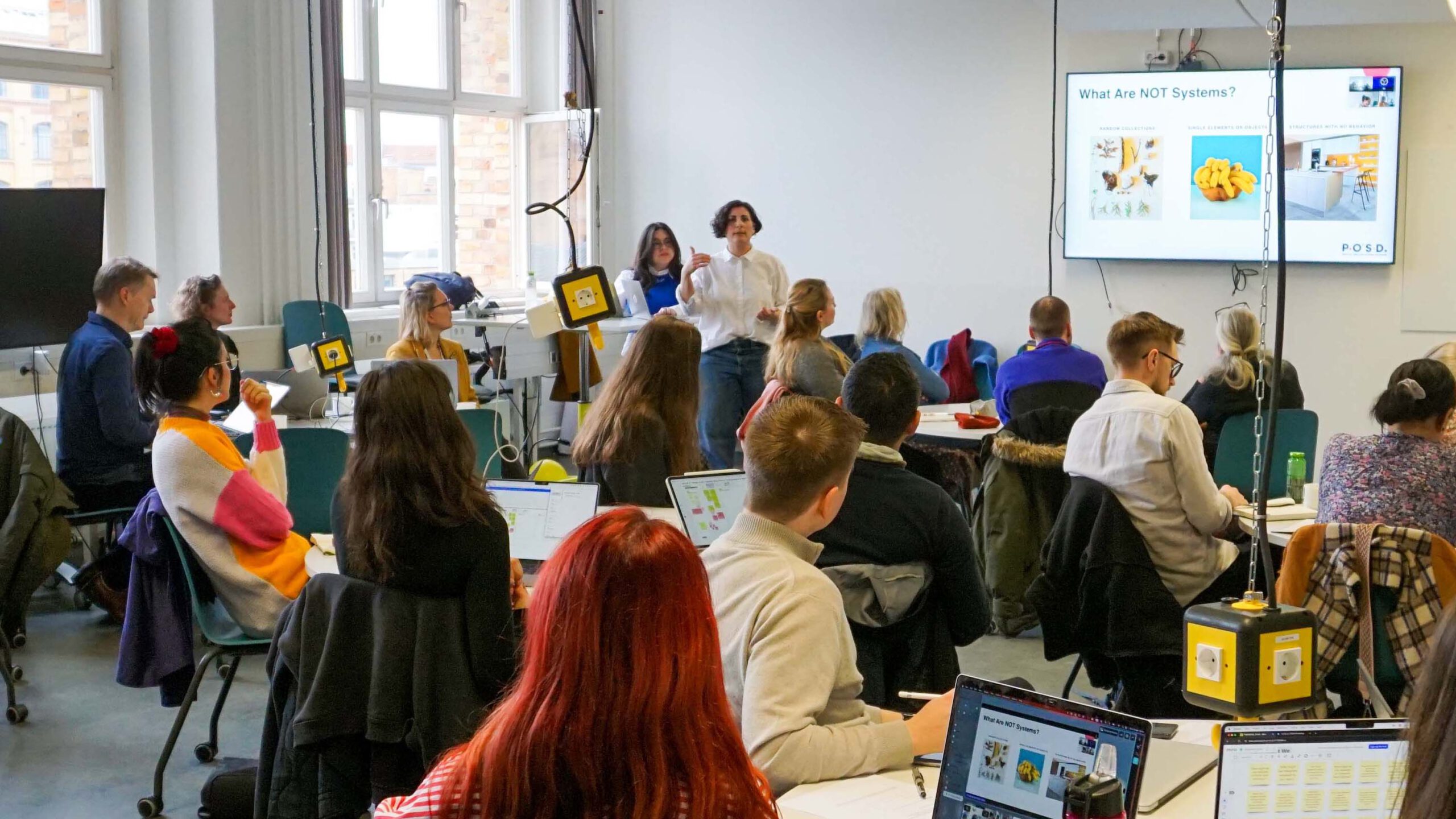
ESDL provided international cooperation through blended mobility supported by the Erasmus+ program. Our motivation was to develop an arena for cooperation that offered students, educators, researchers, businesses and industry staff the necessary flexibility to cooperate on projects across Europe. By embodying a systemic mindset, we also directed our research project towards generating impact across different parts of the system itself. We explored Systemic Design methodology as means to handle exceedingly complex projects and created new common curriculums and courses, as well as arranging activities in digital and hybrid surroundings.
Through ESDL, students, professionals and researchers were given the opportunity to study and create new interventions for organisations connected to complex systems related to the cities of Nantes, Oslo, Berlin and beyond. For this, we established a hybrid learning platform, which gave direct access to students and researchers to collaborate digitally and across borders, as well as to industry real-life cases, businesses, public services and other research and education partners. Such a network provided collaboration across all levels of complexity.
WHO
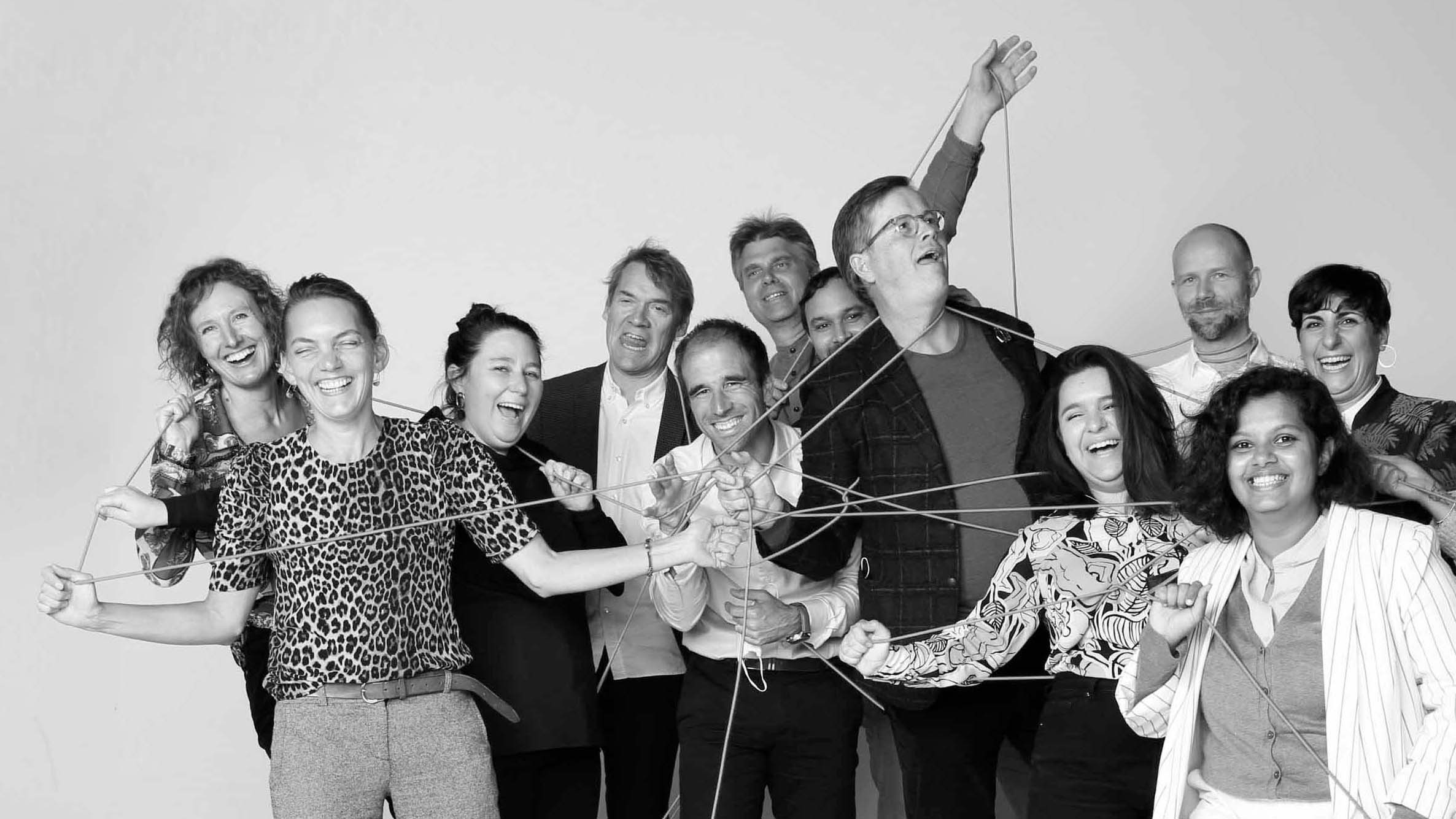
ESDL was led by a diverse team of design educators and professionals with equally diverse areas of expertise. We questioned and saw beyond products and services and our activities were, and still are, locally connected to the cities of Berlin, Nantes and Oslo. Most importantly: We are and will always be passionate about Systemic Design and its potential.
University of applied Sciences (HTW) Berlin
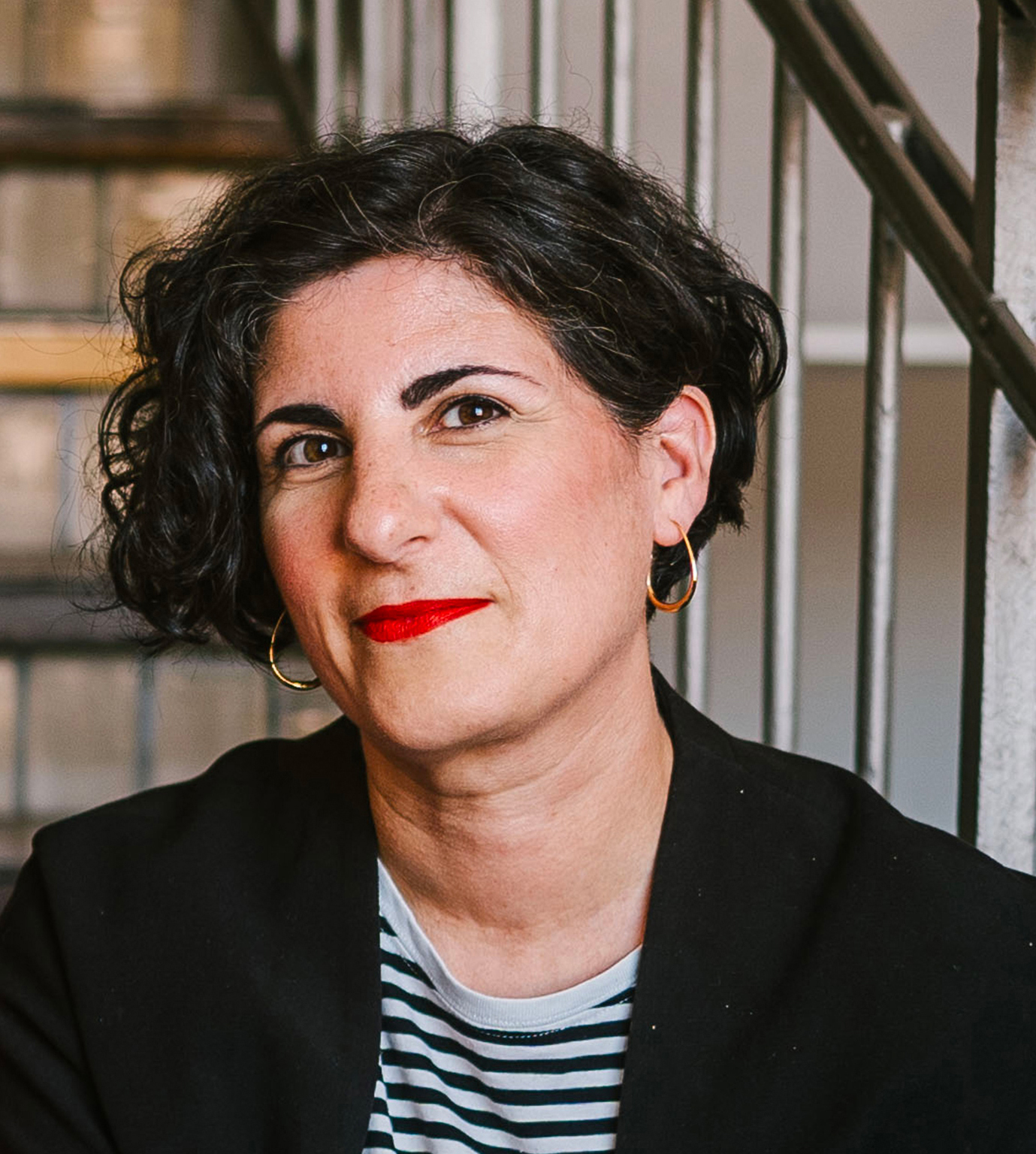
Prof. Pelin Celik
Pelin Celik is Professor of Industrial Design and Systemic Design at HTW Berlin (since 2017). Her research focuses on UX, Systemic Design and Futures Thinking to address complexity — developing participatory, practice-based methods that connect research, teaching and transformative practice. Central to her work is play: she uses tangible methods to open up complex problems and learn from them. She has collaborated with various companies, offers trainings in UX Management and Systemic Design Oriented Leadership, and serves as Vice Chair of the International Design Center Berlin (IDZ) and member of the advisory board of re:futureLab.
University of applied Sciences (HTW) Berlin
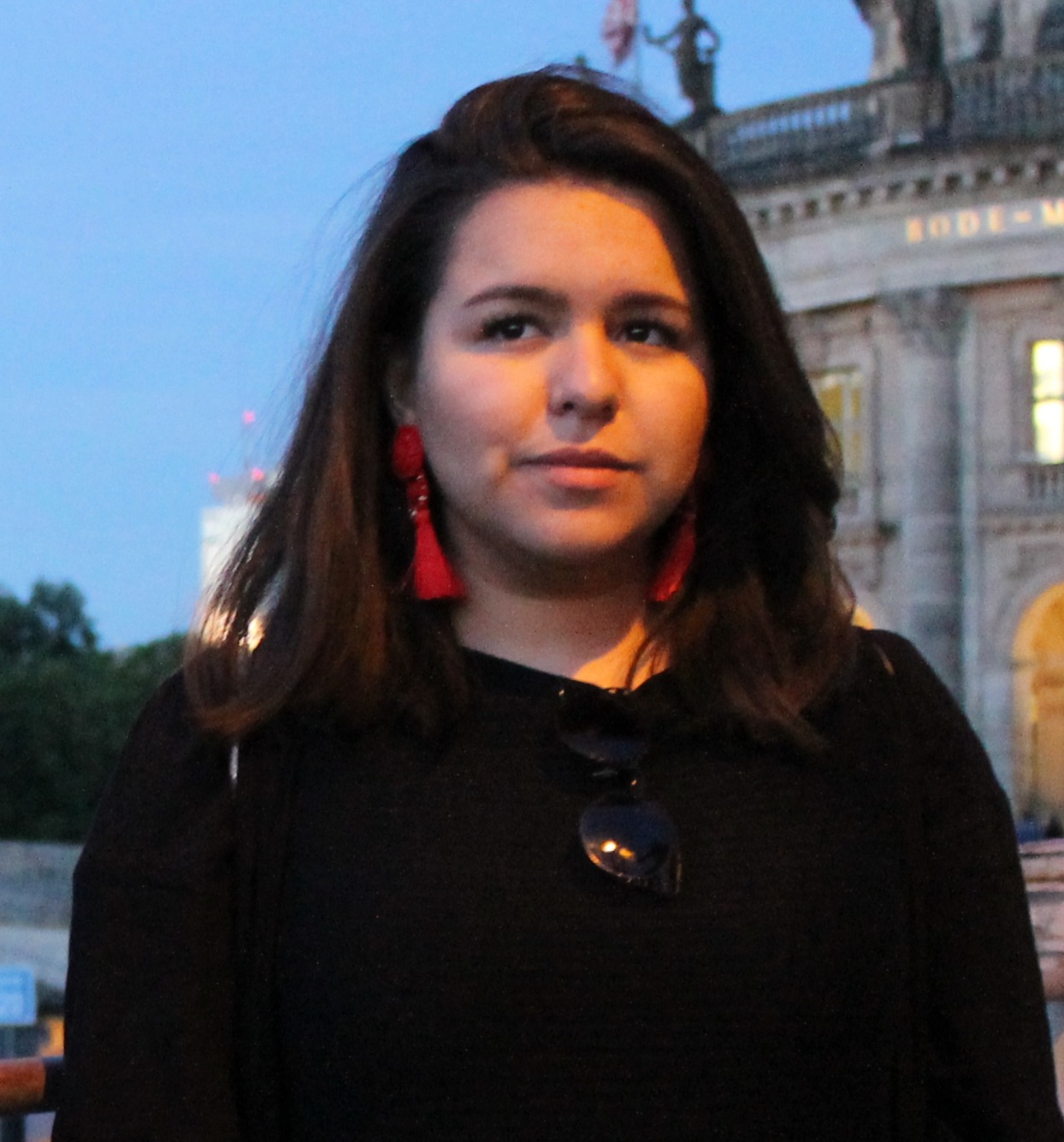
Olivia Hidalgo Miranda
Olivia Hidalgo Miranda is a Mexican industrial and systemic designer based in Berlin. She has worked with Kärcher SE & Co. KG and the Fraunhofer Center for Responsible Research and Innovation and has been a research associate at the University of Applied Sciences (HTW) Berlin since finishing her Systemic Design Master’s in 2021. Her focus is on Participatory Design, Systems Thinking and innovation in educational and public-sector contexts. Her work spans international projects, workshops, research activities and conferences, with particular experience in interdisciplinary collaboration, hybrid learning environments and the application of Systemic Design methods.
Oslo Metropolitan University
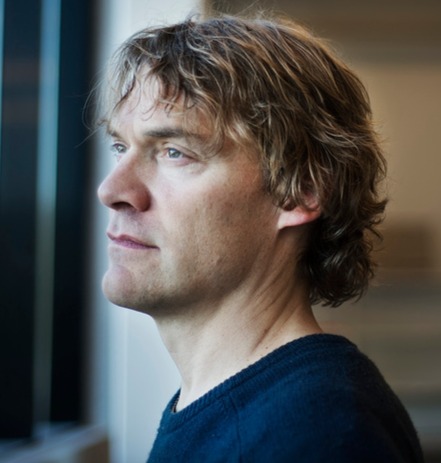
Prof. Tore Gulden
Tore Gulden is a Professor at the Product Design Department of Oslo Metropolitan University. He is an educator and researcher within Systemic Design and co-leader of the research group Systemic Design and Sustainability. He is working at the intersection of Systemic Design, cybernetics, play, game and sports studies and communication theory, examining phenomenon and occurrences by their ongoing relational and dynamic processes. He is interested in transdisciplinary approaches and collective visualisation processes and workshops, as well as the critical examination of the techniques and methodologies employed in such practices. Gulden is active in scientific committees, editorial work, peer review and professional boards across diverse design research and education communities. In 2009 he initiated the development of the Systemic Design education at OsloMet, where he continues to teach, research and supervise doctoral research.
Oslo Metropolitan University
Prof. Kristin Støren Wigum
Kristin Støren Wigum is an associate professor (PhD) and co-leader of the Research Group Systemic Design and Sustainability at Department of Product Design, Oslo Metropolitan University, Norway. Kristin specialised in Design for Sustainability and has been practicing Systemic Design since 2005. On behalf of OsloMet as the coordinating partner, she was the coordinator of the ESDL Erasmus+ cooperation partnerships project.

Oslo Metropolitan University
Ingelin Mari Åmo
Ingelin Mari Åmo is a PhD research fellow at OsloMet, working within the field of Systemic Design. Åmo has a background in product design, design for complexity and social anthropology. Her research explores how Systemic Design can be used to investigate complex social issues, with an empirical focus on youth outsiderness and participation in working life. She is interested in how design can make visible different perspectives, reference systems, and power relations through participatory and practice-based methods.

L’école de Design Nantes Atlantique
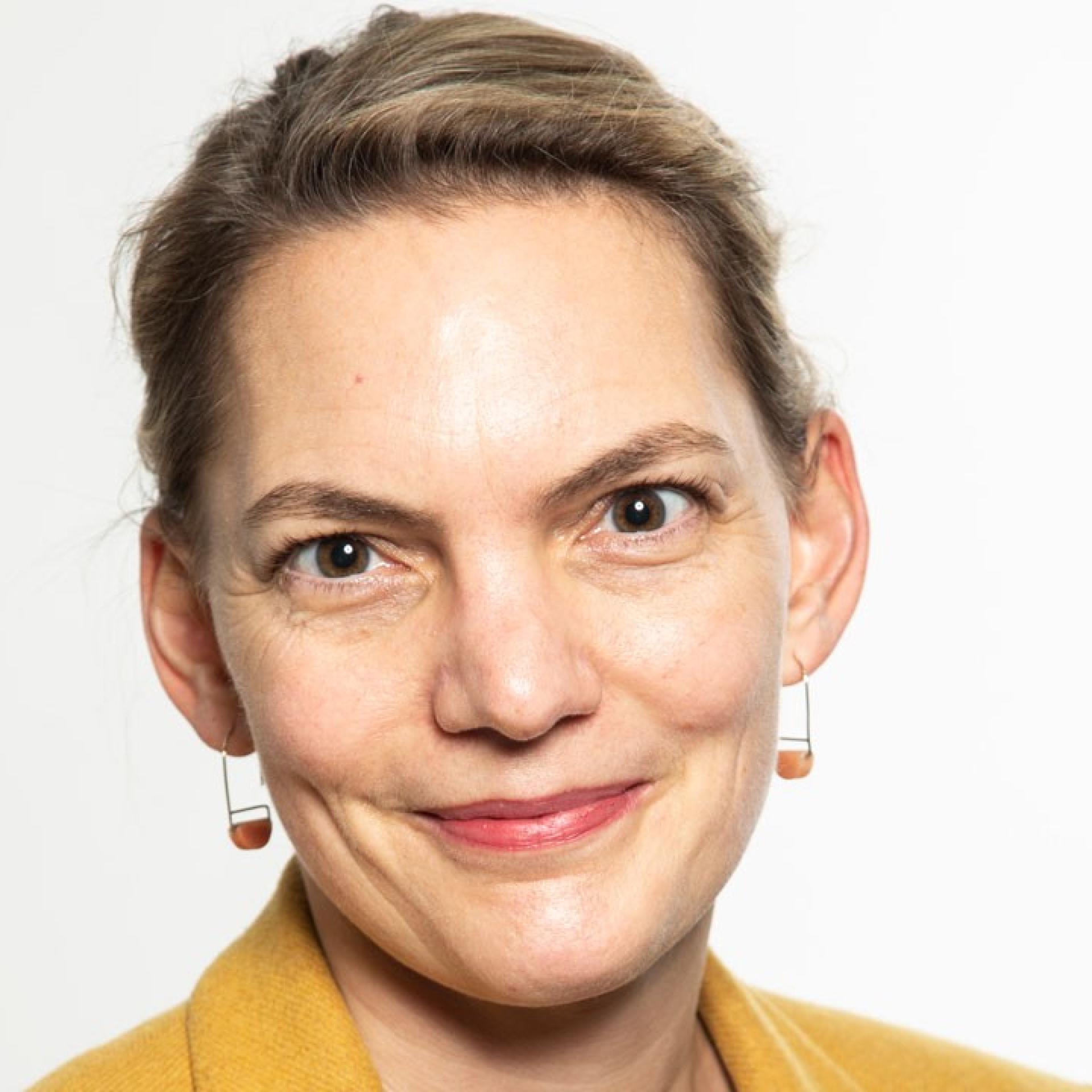
Julia Kunkel
Julia Kunkel, director of the Food Design Lab, is a product designer (graduated from University Of Fine Arts Berlin), specialized in Food, Global Brand Design and CMF with more than 20 years of experience in a design agency, notably at Peugeot Design Lab and Carlin Creative. She contributes to a series of Research Training Innovation actions around the connection between design and food. Since 2020 she has been Head of the Food Design lab Master in Design at l’École de Design Nantes Atlantique, in charge of coordination of international transdipciplinary design research, partner and pedagogic projects, exhibitions and conferences with a usage and food Systemic Design approach.
L’école de Design Nantes Atlantique
Marie Piet
Marie Piet is a food designer and art director specialising in food products, packaging, and brand identity — working at the intersection of design, food culture, and strategy. Trained in industrial design at the École de Design Nantes Atlantique, she spent 10 years at Nestlé developing expertise in food innovation, product development, and brand building, before launching her own practice in 2018. After 15 years in Switzerland, she is now based in Nantes and collaborates with food companies, artisans and growers. She sees food as more than edible objects — as gestures, habits and culture. Since 2021, she has taught at the Food Design Lab master’s program.